In the high-stakes world of medical aesthetics, a "pretty" website that reflects your brand and style is important but no longer enough to secure a seat at the table. We are currently witnessing a seismic shift in the digital landscape as Artificial Intelligence redefines the search experience. With the rise of AI-generated overviews and conversational search, Google is increasingly prioritising content that provides direct, expert answers over simple keyword matching.
We see it constantly: clinics investing thousands in aesthetic web design only to languish on page four because their content lacks the clinical "Keywords and Phrases" and the deep human expertise required for modern AI algorithms. To survive in the AI-driven search era, your website cannot just be a brochure—it must be a demonstration of your undeniable medical authority so AI can confidently cite it as a primary source.
Developing a robust SEO strategy for dermal filler clinics UK requires a delicate balance. You must satisfy Google’s "Your Money or Your Life" (YMYL) requirements while navigating the increasingly tight grip of the Advertising Standards Authority (ASA) and the MHRA. This isn't about gaming the system with keyword stuffing; it’s about building a digital ecosystem that proves you are a safe, expert, and trustworthy pair of hands.
UK Advertising Regulations Before Implementing SEO
Before we dive into backlink profiles and site architecture, we must address the regulatory elephant in the room. In the UK, the "wild west" era of aesthetics marketing is closing. To build a sustainable aesthetic clinic SEO UK plan, your content must be compliant from the first keystroke.
ASA Rules for Aesthetic Advertising
The ASA is crystal clear: you cannot mislead patients. This means no "guaranteed" results, no downplaying of risks, and certainly no irresponsible financial promotions that encourage impulsive decisions. If your SEO strategy relies on "limited-time offers" to drive clicks, you aren't just risking a Google penalty; you’re risking a formal investigation.
MHRA Guidance on Medicines and Medical Devices
While dermal fillers are currently classified as medical devices in the UK, the MHRA is tightening its oversight. Your marketing language must remain responsible. You are not selling a "quick fix" or a "glamour product." You are providing a medical procedure that requires a patient suitability assessment and informed consent. By positioning your clinic as compliant and ethical from the outset, you naturally align with Google’s preference for high-quality, authoritative health information.
Keyword Strategy for Dermal Filler Clinics
The foundation of any successful SEO strategy for dermal filler clinics UK is a two-tiered approach to keywords. You cannot survive on local intent alone, nor can you rely solely on national authority.
National Keywords vs Local Intent Keywords
National keywords—such as "How long do lip fillers last?"—are your authority builders. They drive traffic from across the country, signalling to Google that you are an educator in the field. However, your bread and butter remains local intent. A user searching for lip filler clinic SEO or "Dermal fillers Manchester" is much further down the conversion funnel. Your strategy must capture the person researching the procedure on Monday and the person looking to book a consultation in their city on Friday.
Building Topical Authority Through Safety Content
If you want to dominate the search results, you need to talk about the things your competitors are afraid of. This means creating deep-dive content on complication management and vascular occlusion protocol. When a user types in "dissolving fillers" or "what happens if fillers go wrong," and finds your clinic providing the most comprehensive, calm, and medical-led answer, you have won the ultimate trust signal. You’ve moved from being a provider to a protector.
Website Architecture for Sustainable SEO Growth
Google’s crawlers despise "thin" content. A single page that lists ten different treatments with a paragraph each is a recipe for invisibility. To rank for medical aesthetics digital marketing UK, your site needs a "Pillar and Cluster" architecture.
Pillar Page Structure
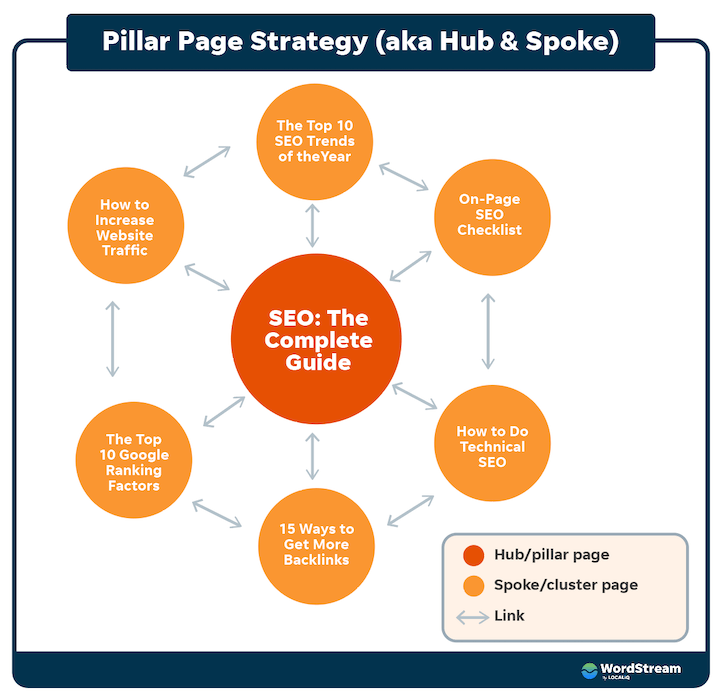
Each core treatment needs its own dedicated pillar page. We are talking about 800 to 1,200 words of high-calibre content for pages such as your main dermal fillers hub, alongside specific landing pages for lip, cheek, and jawline treatments, as well as filler reversal services.
Supporting Educational Content
These pillars should be supported by a constellation of blog posts and information pages. These should cover the consultation process, detailed aftercare guidance, and the specifics of hyaluronic acid fillers. This internal linking structure tells Google: "This site is the definitive resource on this topic."
Local SEO Strategy for UK Aesthetic Clinics
For a brick-and-mortar clinic, your Google Business Profile (GBP) is arguably more important than your homepage. Local SEO for cosmetic clinics UK is won through meticulous profile management. Ensure your categories are correct—don't just settle for "Beauty Salon" if "Medical Clinic" is more accurate. List your services individually and use compliant, non-exaggerated imagery.
Location Landing Pages
If you have clinics in London, Birmingham, and Manchester, do not use "cookie-cutter" copy for each. Google identifies duplicate content instantly. Each location page must be unique, featuring local testimonials, embedded maps, and mentions of nearby landmarks. This anchors your clinic in its specific geographical community.
Review Strategy
Quality over quantity is the mantra here. A hundred five-star reviews that say "Great job!" are less valuable than ten reviews that mention your "professionalism," "thorough consultation," and "natural-looking results." Encourage patients to describe their journey, as these keywords often mirror the long-tail queries of prospective clients.
E-E-A-T Strategy for Dermal Filler Clinics
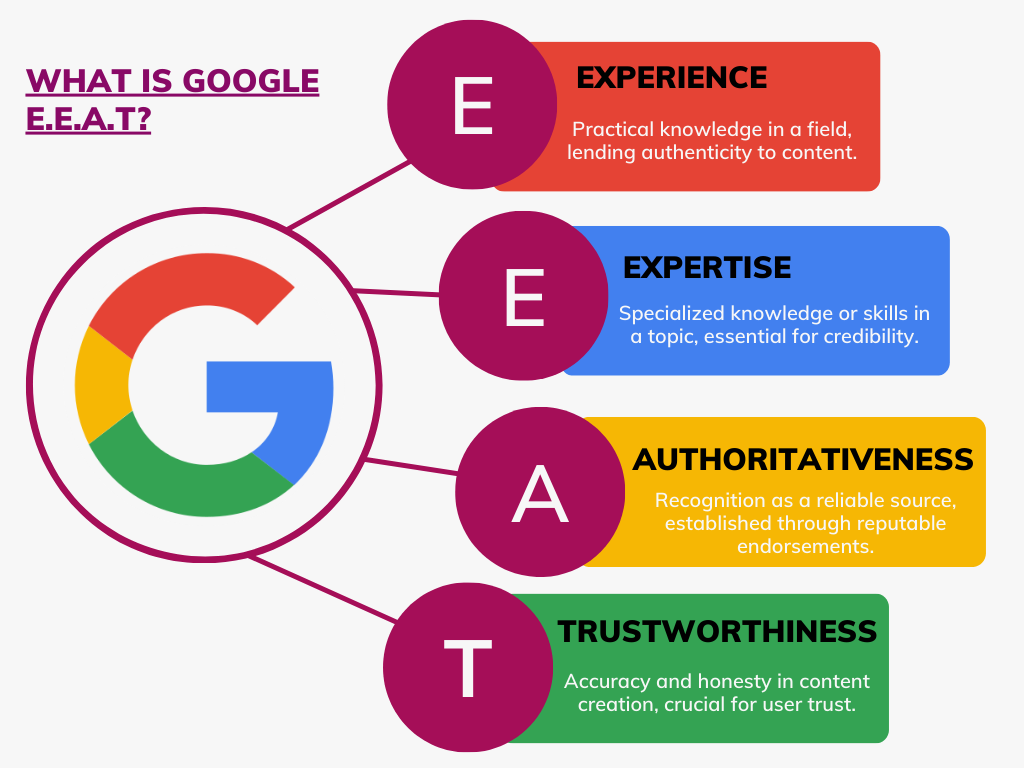
In the aesthetics industry, "Experience, Expertise, Authoritativeness, and Trustworthiness" are the four pillars of survival. Google prioritises medical content that can prove its source.
Experience and Expertise
Don't hide your light under a bushel. State clearly how many years you have been practising and the volume of consultations you perform. If you are a GMC or NMC registered practitioner, your registration number should be easily found. List your advanced injectable training and your commitment to ongoing CPD. This isn't vanity; it’s a ranking factor.
Authoritativeness and Trust
Link to UK regulatory bodies and professional memberships. If you’ve spoken at a conference or been quoted in the press, link to it. On the trust side, transparency is key. Have a dedicated page for your complications protocol and be clear about your pricing policy. A clinic that is open about the risks and the costs is a clinic that converts.
Content Marketing Strategy for Long-Term Rankings
Many clinic owners find themselves trapped on the "social media hamster wheel"—an exhausting, high-frequency cycle where content is disposable and loses its value within hours. In contrast, SEO-driven content embedded into your website is a high-yield digital asset that compounds in value. While a social post is scrolled past, a well-optimised blog post works 24/7, capturing patients at the exact moment they seek expert advice.
To break away from generic marketing, your strategy should focus on providing clear, honest information about the clinical realities that patients actually worry about, but many clinics ignore. By addressing the "uncomfortable" truths of aesthetics, you build a level of trust that "glossy" social media cannot achieve.
Safety-Focused Blog Topics
How to Choose a Safe Dermal Filler Practitioner in the UK
Understanding Vascular Occlusion: What Every Patient Needs to Know
The Reality of Dissolving Fillers: When and Why It’s Necessary
Educational Comparison Content
Patients are often confused by conflicting terminology and treatment options. By creating comparison guides—such as "Dermal Fillers vs Anti-Wrinkle Treatments" or "Non-surgical contouring vs Surgical Options"—you capture users while they are still in the research phase. This positions your clinic as a helpful guide before they have even decided on a specific procedure.
Internal Linking Strategy
Think of your website like a web, not a list. Your lip filler clinic SEO page should link to your "About the Practitioner" page, which should link to your "Safety & Complications" page, which should link back to your booking form. Use descriptive anchor text—instead of "click here," use "read about our dermal filler consultation process." This helps Google understand the relationship between your pages.
Compliant Conversion Elements
The goal of SEO is a booking, but in the UK, we must be careful with how we "ask" for it. Avoid the "hard sell." Instead of "Book your fillers today!" use a consultation-first approach.
Safe, High-Converting CTAs:
Arrange a Medical Assessment
Request a Call Back to Discuss Your Options
Schedule a Comprehensive Consultation
This shift in language does two things: it keeps you on the right side of the ASA, and it attracts a higher-calibre patient who values their safety over a bargain.
The Final Word
Building an SEO strategy for dermal filler clinics UK is a marathon, not a sprint. It requires a commitment to medical excellence and a refusal to take shortcuts. By focusing on E-E-A-T, local authority, and genuine patient education, you don't just climb the rankings—you stay there. In a crowded market, the clinic that speaks with the most authority is the one that ultimately wins the patient’s trust.
Frequently Asked Questions About Dermal Filler Clinics in the UK
Are dermal fillers regulated in the UK? Currently, dermal fillers are classified as medical devices. While the industry is moving towards stricter licensing, they can still be legally administered by non-medics. However, for the highest safety standards, it is recommended to choose a clinic led by a medical aesthetics practitioner with appropriate training.
How do I choose a safe dermal filler clinic? A safe clinic will always prioritise a face-to-face consultation and a full medical history review. Look for practitioners who are registered with professional bodies, have a clear complications protocol, and provide transparent information on the products they use.
Are dermal fillers permanent? Most modern dermal fillers are made of hyaluronic acid and are temporary. They typically last between 6 and 18 months, depending on the area treated and the individual’s metabolism. They can also be reversed using a dissolving agent if medically necessary.
What are the risks of dermal fillers? While generally safe in expert hands, risks include swelling, bruising, and redness. Rarer but more serious complications include infection, lumps, or vascular occlusion. A reputable clinic will discuss these risks in detail during your informed consent process.
Do I need a consultation before treatment? Yes. A thorough consultation is essential to assess your suitability, discuss your goals, and ensure you understand the procedure. It is a critical step in providing safe, ethical, and effective care.
The Final Word
Building an SEO strategy for dermal filler clinics UK is a marathon, not a sprint. It requires a commitment to medical excellence and a refusal to take shortcuts. By focusing on E-E-A-T, local authority, and genuine patient education, you don't just climb the rankings—you stay there. In a crowded market, the clinic that speaks with the most authority is the one that ultimately wins the patient’s trust.