How to Rank an Aesthetic Clinic on Google Maps in London
Last updated: August 7th 2026
SEO & Local Search · London · Aesthetic Clinics
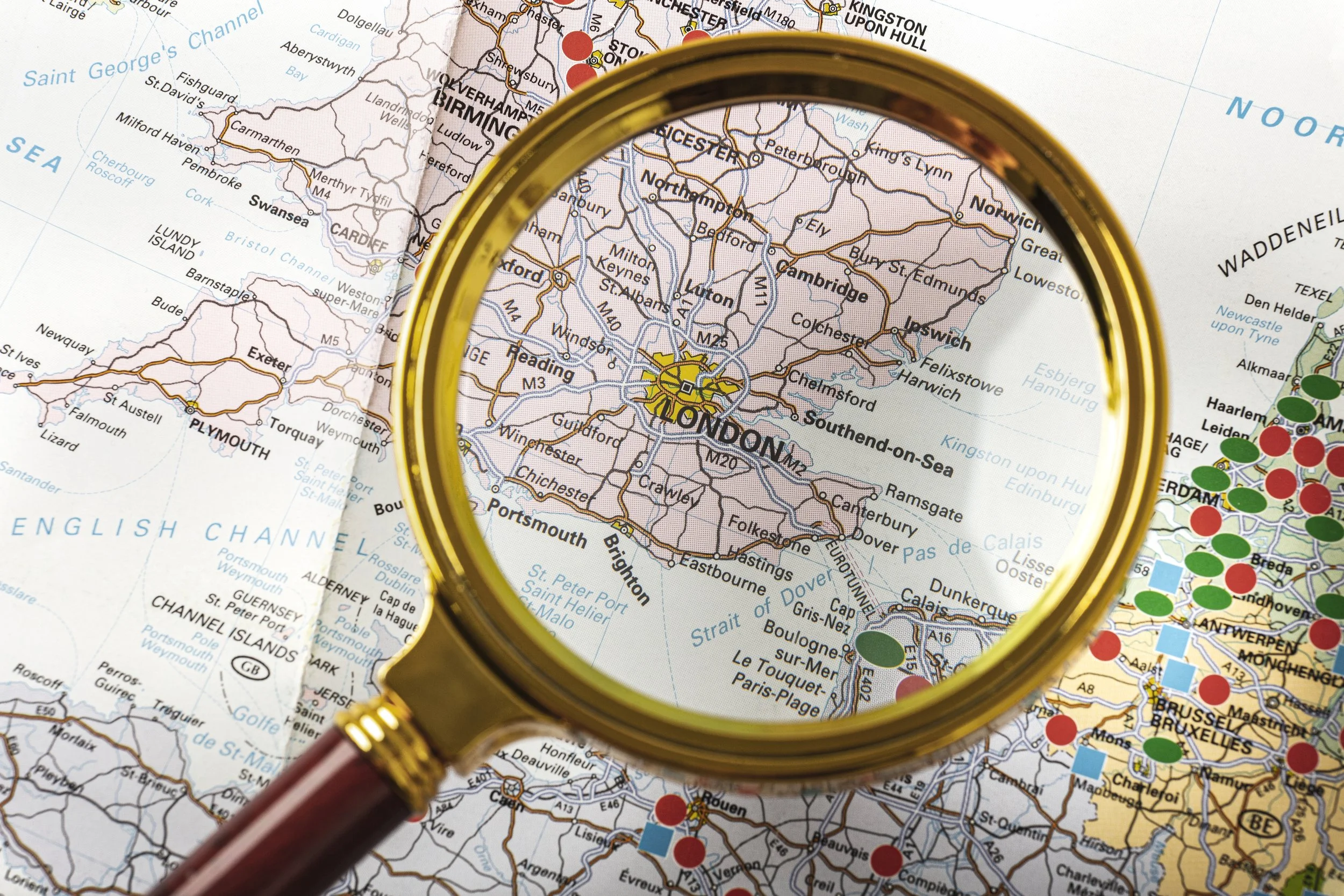
London's aesthetic market is genuinely competitive. From Harley Street institutions with decades of reputation to independent clinics carving out their space in Clapham, Islington, and Hackney, the challenge of getting found on Google Maps is real and it is not going away. The volume of searches for treatments such as "skin clinic London", "dermal fillers London", and "aesthetic clinic near me" has grown year on year, and the clinics appearing at the top of those results are capturing the majority of new enquiries. For any practice not investing in Google Maps SEO for aesthetic clinic growth, that traffic is going elsewhere.
The good news is that Google's local ranking system is more transparent than most people assume. Google states publicly that local SEO for aesthetic clinics London — and any local business, for that matter — comes down to three core factors: relevance, distance, and prominence. There is no way to pay Google directly for a better local ranking. What you can do is build the right signals across your Google Business Profile, your website, your reviews, and your broader online presence so that Google has every reason to surface your clinic when someone nearby is searching.
This guide covers exactly how to do that. It is written specifically for aesthetic clinic owners, clinic managers, and practitioners in London who want a clear, practical approach to aesthetic clinic SEO London — without the generic advice that applies equally well to a pizza restaurant or a plumber.
Ranking on Google Maps is not about stuffing keywords into your listing. It is about building genuine trust signals that Google can verify — and that real clients actually respond to.
What Google Maps Ranking Means for Aesthetic Clinics
When someone searches for "aesthetic clinic London" or "skin clinic near me", three types of results can appear: the Google Local Pack (the map block with three listings), standard organic results below the map, and in some cases paid adverts above everything else. For Google Maps ranking aesthetic clinic purposes, the Local Pack is where the commercial action happens. Local Pack listings receive more clicks than organic results for the majority of treatment-plus-location searches, which means appearing in those top three positions is the highest-impact outcome available to most London aesthetic clinics.
The searches your clinic should be targeting fall into several distinct patterns:
• "near me" searches — "aesthetic clinic near me", "skin clinic near me"
• Treatment-led searches — "dermal fillers London", "laser skin clinic Chelsea", "microneedling Kensington"
• Location-led searches — "medical aesthetics London", "aesthetic clinic Harley Street", "skin clinic Marylebone"
• Branded searches — clients looking specifically for your clinic by name
• Problem-based searches — "acne scarring treatment London", "rosacea clinic near me"
One important caveat: Google's guidelines require businesses to represent themselves accurately. Your clinic should only target locations where it has a genuine physical presence or a real service area. Creating duplicate profiles or misrepresenting your address to appear in areas you do not genuinely serve is a shortcut that tends to backfire.
London's Competitive Landscape: What You Are Up Against
The competitive context matters, because SEO for aesthetic clinics in Harley Street is not the same challenge as SEO for aesthetic clinics in Wimbledon. Understanding where realistic opportunities exist for your specific clinic and location is more useful than a one-size-fits-all ranking strategy.
| London Area | Competitive Context |
|---|---|
| Harley Street / Marylebone | This area holds the highest concentration of aesthetic medical practices in the UK. Because of its established domain authority and deep brand recognition, competing directly here requires exceptional E-E-A-T signals alongside profound content depth. |
| Chelsea / Kensington | A premium residential demographic with high average treatment values. The local landscape remains competitive, yet it is reachable for specialist clinics that carry strong patient review profiles and targeted local content. |
| Mayfair / Knightsbridge | Characterised by high disposable income and an international clientele. Within this luxury bracket, clinical brand credibility and clear practitioner credentials carry significant weight. |
| Canary Wharf / City | A professional, time-conscious demographic driving a strong lunchtime appointment culture. Keeping your Google Business Profile complete and offering seamless online booking are highly valuable assets here. |
| Shoreditch / Islington | A younger demographic heavily driven by social proof, where content marketing and patient reviews act as primary growth drivers. There is a steadily growing demand for advanced, clinical skin treatments. |
| Richmond / Wimbledon | Suburban south-west London environments present a less saturated landscape than central areas. Local search citations and an active community presence carry disproportionate weight for clinical growth. |
A clinic outside central London's most contested areas should not be disheartened. The Harley Street aesthetic clinic SEO challenge is real, but neighbourhood-level searches — "skin clinic Clapham", "aesthetic clinic Wimbledon" — present genuinely reachable opportunities for well-positioned local practices. The clinics that win borough-level searches are those that build local authority deliberately, rather than competing head-on with brands that have twenty years of domain history behind them.
The Three Core Google Maps Ranking Factors
Google's guidance on local SEO for aesthetic clinics London — and local businesses generally — identifies three factors that determine which listings appear in the Local Pack: relevance, distance, and prominence. Improving your position requires working on all three simultaneously, because strength in one area alone is rarely enough to break through in a competitive London market.
1. Relevance
Relevance is how closely your Google Business Profile and linked website match what someone is searching for. It is the factor most directly within your control. The signals that influence relevance include your primary GBP category, the services and treatments you have listed, the language in your business description, the content on your treatment pages, the wording within your reviews, and your Q&A section. Google advises businesses to provide complete and detailed business information to help match relevant searches — a partially filled profile is a relevance disadvantage.
2. Distance
Distance is partly outside your control. A clinic in Marylebone will naturally have an advantage for searches made in Marylebone, and that advantage is real. What you can influence is how clearly your location signals are communicated: an accurate address, an embedded map, directions from nearby Tube stations, local landmarks, and area-specific content on your website all help Google understand precisely where you are and which searches are geographically relevant to you. Local landing pages for areas you genuinely serve can extend your reach beyond your immediate postcode.
3. Prominence
Prominence is the measure of your clinic's online and offline authority. In practice, it encompasses review volume and quality, local backlinks, press mentions, directory citations, branded searches, website authority, practitioner credibility, and consistent NAP details across all your listings. In London's competitive market, prominence is often the deciding factor between clinics that appear in the Local Pack and those that do not. Two clinics might be equally relevant and equally close to a searcher — it is prominence that separates them.
Optimise Your Google Business Profile Properly
Your Google Business Profile aesthetic clinic listing is the single most important asset in your local ranking strategy. An incomplete, inaccurate, or neglected profile is both a ranking disadvantage and a wasted conversion opportunity. Here is what a properly optimised profile looks like.
Choose the Right Primary Category
Your primary category is one of the most direct relevance signals in Google Maps SEO for aesthetic clinic rankings. "Medical Spa", "Medical Aesthetics", or "Skin Care Clinic" are the most appropriate primary categories for most aesthetic practices. Add secondary categories to cover your other core services, but keep them accurate. Do not add categories for services you do not genuinely offer.
Compliance note: Google's guidelines state that businesses should choose the fewest categories needed to describe the business, and that categories must describe the business itself rather than individual services. Avoid over-categorising simply to appear in more searches — inaccurate categories can suppress rather than improve your visibility.
Write a Clinic Description That Works
Your 750-character GBP description should explain clearly what your clinic does, where it is, which treatments it offers, and what makes it distinctive. Write for the prospective client reading it, not for keyword density. Include your location and the areas you serve, mention your primary treatments in natural language, and give a genuine sense of the clinic's character — its practitioners, its approach, its standards. A description that reads naturally converts profile visitors more effectively than one that mechanically lists treatment names.
Add Services and Treatment Descriptions
Every treatment your clinic offers should be listed as a service in your optimised Google Business Profile aesthetic clinic listing, with a description written in the language your clients use when searching. "Anti-wrinkle injections", "lip enhancement consultation", "chemical peel for uneven skin tone" — these client-facing descriptions reinforce relevance for treatment searches more effectively than clinical or brand-specific terminology. Service listings appear directly in the GBP panel on mobile, giving prospective clients a quick summary of your offering without needing to visit your website.
Upload Professional Photography
GBP profiles with professional, regularly updated photo sets receive significantly more profile visits and direction requests than those with poor-quality or absent imagery. Prospective clients assess whether a clinic looks like somewhere they want to go before they read a single word. Cover the clinic interior, treatment rooms, reception, exterior, team, and equipment. Keep holiday hours updated so that your opening status is always accurate.
Add Your Appointment Link
Adding a direct booking or consultation request link to your GBP is one of the highest-impact steps you can take for aesthetic clinic SEO London conversions. Every additional step between a prospective client's search and a confirmed appointment reduces the probability of booking. A visible booking link on the GBP panel captures the highest-intent clients at the moment they are most ready to act.
Important: do not add keywords such as "Best Aesthetic Clinic London" to your Google Business Profile name unless that is the clinic's real-world registered or trading name. Keyword-stuffed profile names may produce a short-term ranking boost before triggering a suspension or ranking penalty. Represent your business as it is known in the real world.
Build Treatment Pages That Support Google Maps Rankings
Google Maps does not work in isolation. The website linked from your GBP is a significant relevance signal — it should confirm and reinforce what your profile describes. Thin treatment pages, or a homepage that lists treatments without dedicated pages for each, weaken your relevance for specific treatment searches.
A well-structured treatment page should include:
• A clear treatment overview written for the client, not the search engine
• Who the treatment is suitable for and any contraindications
• The consultation process and what a client can expect
• Practitioner qualifications and experience
• Safety information and adverse effect guidance
• Typical appointment time and aftercare
• FAQs covering the questions clients actually ask
• Internal links to related treatment pages
• A clear, consultation-led booking call to action
• London or location relevance where it arises naturally
Treatment categories worth giving individual pages include: dermal fillers, skin boosters, laser hair removal, chemical peels, microneedling, acne scarring treatment, pigmentation treatment, rosacea treatment, skin rejuvenation, facial aesthetics consultations, and medical-grade skincare. Each treatment page should target its own specific search terms, not compete with every other page on the site for the same broad keywords.
| UK advertising compliance: ASA/CAP guidance states that botulinum toxin is a prescription-only medicine and cannot be advertised to the public, including on treatment pages, metadata, and GBP listings. The ASA has noted that almost any direct or indirect reference to the brand name is likely to breach the rules. Use "anti-wrinkle injections" or "injectable treatments" throughout. Treatment pages must also avoid exaggerated outcome claims, misleading before-and-after imagery, and any content that could be interpreted as targeting under-18s. Promote the consultation, not the medicine. |
Create London Location Signals on Your Website
Your website's location content matters significantly for Google Maps ranking aesthetic clinic visibility. A strong "Aesthetic Clinic in London" location page — built with genuine content rather than keyword lists — reinforces your geographic relevance for the entire range of medical aesthetics London searches.
A complete London location page should include:
• Full NAP: clinic name, address, and phone number exactly as they appear on your GBP
• Clinic opening hours
• An embedded Google Map
• Directions from the nearest Tube stations and local landmarks
• Parking information if relevant
• Areas served, named naturally in the content
• Exterior and interior photography
• Practitioner information and qualifications
• Links to key treatment pages
• Compliantly presented client review snippets
• A clear appointment booking or enquiry CTA
London location modifiers to use naturally throughout the page and across the site include: London, Central London, Harley Street, Marylebone, Mayfair, Chelsea, Kensington, Knightsbridge, Notting Hill, Canary Wharf, the City of London, Shoreditch, Islington, and Covent Garden. Use the ones that are genuinely relevant to where your clients come from. For a wider strategy covering borough landing pages, content authority, technical SEO, backlinks and conversion tracking, see our London aesthetic clinic SEO guide.
| A word of caution on doorway pages: creating thin, near-identical pages for every London borough, differing only in the place name, is not effective and creates quality issues that actively harm your broader rankings. Only create location-specific pages where you can populate them with genuinely distinct, useful content for clients in that area. |
Get More Genuine Google Reviews
Reviews are one of the most direct inputs into the prominence factor, and they are also the primary trust signal that moves a prospective client from "browsing" to "booking". A clinic with a consistent, growing body of detailed, recent reviews will consistently outperform one with fewer, older ones — all other ranking factors being comparable.
The right approach to review generation is simple:
• Ask every eligible client after their appointment, not only those who seemed happy
• Use Google's review link or a QR code displayed in the clinic
• Send the request by text or email within 24 to 48 hours of the appointment
• Make the message personal and genuine, not a generic automated blast
• Reply to every review, both positive and negative, professionally and promptly
• Treat negative reviews as service-improvement data, not attacks
| Google's guidelines prohibit fake reviews, paid or incentivised reviews, selective solicitation (only asking clients you think will leave positive reviews), pressuring clients to review on-site, and asking clients to include specific keywords or staff names in their reviews. Do not offer discounts, gifts, or any form of reward in exchange for a review. The rules exist for good reasons, and the penalties for breaching them, including review removal and profile suspension, are not worth the risk. |
Use Google Business Profile Posts Carefully
Google Business Profile posts allow you to share updates, events, educational content, and business news directly on Search and Maps. Used well, they signal an active, engaged practice and contribute to the freshness signals that influence Local Pack visibility. Used carelessly, they create compliance exposure. Here are the types of posts that work for aesthetic clinic SEO London without creating regulatory risk:
• New or updated clinic hours
• Practitioner introductions and team updates
• Educational skin health tips and seasonal skincare advice
• Consultation availability and booking reminders
• Event announcements and clinic news
• Non-prescription treatment education — chemical peels, microneedling, laser, skincare
• Clinic improvements and new equipment
| Compliance reminder: posts promoting prescription-only medicines or making irresponsible cosmetic treatment claims breach ASA/CAP guidelines. Avoid promotional language around injectable treatments, direct references to prescription medicine brand names, urgency-based pricing posts, and any content that trivialises procedures or their risks. |
Build Local Citations and Clinic Authority
Local citations — consistent, accurate mentions of your clinic's name, address, and phone number across third-party websites — are a foundational prominence signal for local SEO for aesthetic clinics and for clinics managing their own SEO. They reinforce your clinic's entity identity and geographic authority. Priority citation sources for London aesthetic clinics include:
• Apple Maps and Bing Places
• Yell and Thomson Local
• Doctify and Trustpilot (where appropriate)
• RealSelf (where relevant to your treatment mix)
• Save Face and JCCP (if you are a registered member)
• Local London business directories and chamber of commerce listings
• Local press features and wellness partnerships
• Cylex and other general business directories
NAP Consistency
NAP consistency — using exactly the same clinic name, address, and phone number across every online listing — is a non-negotiable requirement of effective local SEO for aesthetic clinics London. Variations between your website, GBP, and directories — different phone numbers, abbreviated street names, or minor name differences — create conflicting signals that reduce Google's confidence in your clinic's identity and suppress local rankings. Audit your citations at least twice a year, and correct any inconsistencies immediately when you change your address, phone number, or trading name.
Add LocalBusiness Schema to Your Website
LocalBusiness structured data — implemented in JSON-LD format in your website's head section — gives Google structured, machine-readable information about your clinic: its name, address, phone number, opening hours, practitioners, and services. This reinforces your entity identity and supports Local Pack visibility. For aesthetic clinics, the relevant schema types include LocalBusiness, MedicalBusiness or MedicalClinic where appropriate, along with PostalAddress, OpeningHoursSpecification, GeoCoordinates, and FAQPage on treatment pages.
Key properties worth including in an aesthetic clinic London LocalBusiness implementation: name, address, telephone, url, openingHoursSpecification, geo, sameAs (linking to your GBP, social profiles, and directory listings), hasMap, priceRange, and areaServed. Google notes that LocalBusiness structured data can help communicate business hours, departments, and other details — though it is worth setting realistic expectations. Schema supports Google's understanding; it is not a direct ranking shortcut.
Improve On-Page Trust and E-E-A-T
For aesthetic clinics, trust is not optional — it is a fundamental part of the buying decision. Google's E-E-A-T framework (Experience, Expertise, Authoritativeness, Trustworthiness) is applied with particular rigour to health and medical content, and aesthetic clinic websites sit squarely within that category. The signals that build E-E-A-T for a skin clinic London include:
• Named practitioners with full qualifications, registration numbers, and professional body memberships
• Treatment safety information and adverse effect guidance on every relevant page
• Clear consultation process, including that a prescriber-led consultation is required for prescription treatments
• Before-and-after content policy, handled compliantly with consistent photography and individual results disclaimers
• Clinic address, contact details, and opening hours, prominently displayed
• Transparent pricing where compliant — and a clear note where pricing requires a consultation to determine
• Privacy policy, complaints procedure, and terms and conditions, all accessible
• Aftercare instructions and post-treatment support information
The overarching message your website should communicate through all of these signals is: "We are a legitimate, professionally run medical aesthetics London practice, not a pop-up treatment service." That credibility, communicated consistently across every page, is the foundation of both client trust and long-term search authority.
Track Google Maps Performance by London Area
Measuring the impact of your Google Maps SEO for aesthetic clinic investment requires the right tracking in place. Your GBP Performance tab provides data on profile views, website clicks, direction requests, and calls — tracked over time, these metrics reveal whether your optimisation efforts are translating into client actions. Supplement this with:
• Google Search Console for organic search queries and page-level performance
• Google Analytics 4 with UTM parameters on your GBP booking and website links
• Local Falcon or BrightLocal to track your Local Pack position by postcode across London
• Whitespark or Semrush Local for citation auditing and tracking
• Places Scout for granular geo-grid tracking across your target areas
Tracking rankings by postcode rather than by city is particularly valuable for London clinics. A clinic in Kensington may rank strongly for searches made within SW7 but be invisible for the same search from SW3. Granular grid tracking shows exactly where your visibility is strong and where the gaps are.
90-Day Google Maps SEO Plan for a London Aesthetic Clinic
The following framework gives you a structured starting point for building local SEO for aesthetic clinics London momentum. The phases build on each other — foundation before relevance, relevance before prominence — because trying to earn backlinks and reviews on a poorly structured profile and website is working in the wrong order.
| Phase | Priority Actions |
|---|---|
| Days 1 to 30: Fix the Foundation | Audit your Google Business Profile and correct your primary category. Fix any NAP inconsistencies across digital directories, then add missing services complete with accurate treatment descriptions. Upload professional clinic photography and add your direct appointment booking link. Create or rework your London location page, ensuring you add LocalBusiness schema to the website code. |
| Days 31 to 60: Build Relevance | Create or improve individual treatment pages and establish internal links between related clinical offerings. Publish educational blog content on skin health topics and introduce comprehensive FAQ sections to key pages. Improve practitioner profile pages with full professional credentials, adding clear directions, nearest Tube stations, and local area details to the location page. |
| Days 61 to 90: Build Prominence | Start a compliant review generation process, extending invitations to every eligible patient. Build out clinical citations across key directories such as Doctify, Yell, Apple Maps, and Bing Places. Pursue local backlinks through medical press, professional bodies, and wellness partnerships. Publish regular Google Business Profile posts, track rankings by postcode using Local Falcon or BrightLocal, and steadily refine pages using Google Search Console data. |
Most clinics that implement this plan consistently start to see measurable Local Pack movement within eight to twelve weeks. Competitive central London areas such as the Harley Street corridor may take longer. The compounding nature of SEO for aesthetic clinics means the results build over time — a clinic that invests consistently over 12 to 24 months builds a search asset that is genuinely difficult for new competitors to displace.
Conclusion
Ranking higher on Google Maps as a London aesthetic clinic is not about gaming an algorithm. It is about building a genuinely complete, credible, and well-presented online presence that gives both Google and prospective clients every reason to trust you. The three factors — relevance, distance, and prominence — map directly onto the practical actions covered in this guide: an optimised GBP, strong treatment pages, consistent citations, genuine reviews, compliant content, and site-wide trust signals.
The clinics that dominate local SEO for aesthetic clinics London today are not necessarily the largest, the best funded, or even the most clinically exceptional. They are the most consistently visible online. They have built authority methodically, they maintain their GBP actively, and they treat Google Maps SEO for aesthetic clinic work as an ongoing investment rather than a one-time setup task. That consistency, compounded over months and years, is what separates the clinics at the top of the Local Pack from those wondering why their clinic is not showing on Google Maps.
The clinics winning Google Maps in London are not the biggest — they are the most consistent. They show up in search, they earn trust continuously, and they treat local SEO as a long-term investment in their practice.
-
Start with your Google Business Profile: correct your primary category, complete every field, add services with treatment descriptions, upload professional photos, and add a booking link. Then build supporting relevance through strong treatment pages on your website, a detailed London location page, and consistent NAP details across all your directory listings. Build prominence through a systematic review generation process, local citations, and any backlinks you can earn through press, professional bodies, and wellness partnerships. Work on all three factors — relevance, distance, and prominence — simultaneously and consistently.
-
The most common causes are: an incomplete or poorly categorised Google Business Profile, inconsistent NAP data across directories creating conflicting signals, insufficient reviews compared to better-ranked competitors, a website that does not reinforce what the GBP describes, and targeting an area where the competitive baseline is simply higher than your current authority level. Start with a thorough GBP audit, check your citation consistency, and benchmark your review count against the clinics currently appearing in the Local Pack for your target searches.
-
No — not unless "best aesthetic clinic London" is genuinely the clinic's real-world registered or trading name, which is very unlikely. Google's guidelines require businesses to represent themselves as they are known in the real world. Adding keyword-rich text to your profile name breaches those guidelines and risks profile suspension. It may produce a brief ranking boost, but the consequences when it is flagged far outweigh any short-term benefit.
-
There is no fixed number — it depends entirely on your competitive set. Check the number of reviews held by the clinics currently ranking in the Local Pack for your target searches. If they have 150 reviews and you have 20, that gap is a significant prominence disadvantage. Focus on building a systematic review generation process rather than chasing a specific number, and prioritise recency as well as volume — a steady flow of new reviews signals an active, trading practice.
-
No. Offering any incentive — discounts, free treatments, gifts, or other rewards — in exchange for a Google review breaches Google's policies. It also creates compliance issues under ASA guidelines around testimonials and social proof. Reviews must be entirely voluntary and unprompted in their content. The penalties for violating review policies include review removal, account restrictions, and in serious cases, profile suspension.
-
Yes, significantly. The website linked from your GBP is a relevance signal. A website with dedicated, well-structured pages for each treatment reinforces your GBP's category and service listings, making your profile more relevant for specific treatment searches. Thin treatment content or a single generic "treatments" page weakens that relevance signal considerably.
-
Only where you can populate them with genuinely useful, distinct content — real travel information, local context, and content that reflects the genuine differences between client demographics in those areas. Thin doorway pages that differ only in the place name are not effective and create quality issues that harm your broader ranking. One strong London location page is significantly more valuable than ten weak ones.
-
Initial improvements from correcting your GBP, fixing citation inconsistencies, and beginning a review programme can produce visible ranking changes within four to eight weeks. Competitive Local Pack positions in central London areas typically require six to twelve months of sustained effort. Long-term authority — the kind that produces consistent high-intent traffic and is difficult for competitors to displace — is the work of 18 to 24 months or more. The compounding nature of local SEO makes early, consistent investment the most commercially rational decision.
-
Item description
-
No. Botulinum toxin is a prescription-only medicine. ASA/CAP guidance states that it cannot be advertised to the public, including on website content, GBP listings, and social media. The ASA has stated that almost any direct or indirect reference to the brand name is likely to breach the rules. Use "anti-wrinkle injections" or "injectable treatments" in all public-facing content. GBP service descriptions should describe the concern addressed — "lines and wrinkles consultation" — rather than naming the medicine used.
-
The most appropriate primary categories are "Medical Spa", "Medical Aesthetics", or "Skin Care Clinic", depending on your core offering. "Medical Aesthetics" is the most specific for clinics primarily offering injectable and skin treatments. Add secondary categories to cover your other main services, but keep them accurate. Review competitor profiles in your target area to understand which categories are being used by clinics currently appearing in the Local Pack for your key searches.
Ready to rank your London clinic higher on Google Maps?
Websites for Clinics builds SEO-ready websites for aesthetic clinics across Ireland and the UK — with built-in local SEO structure, schema markup, location pages, and content written specifically for the aesthetic sector.