The Invisible Man: Why Aesthetic Clinics Are Missing Half Their Market
New markets for Aesthetic Clinics - Aesthetic Clinic Specialisation - Aesthetic Clinic Growing Trends
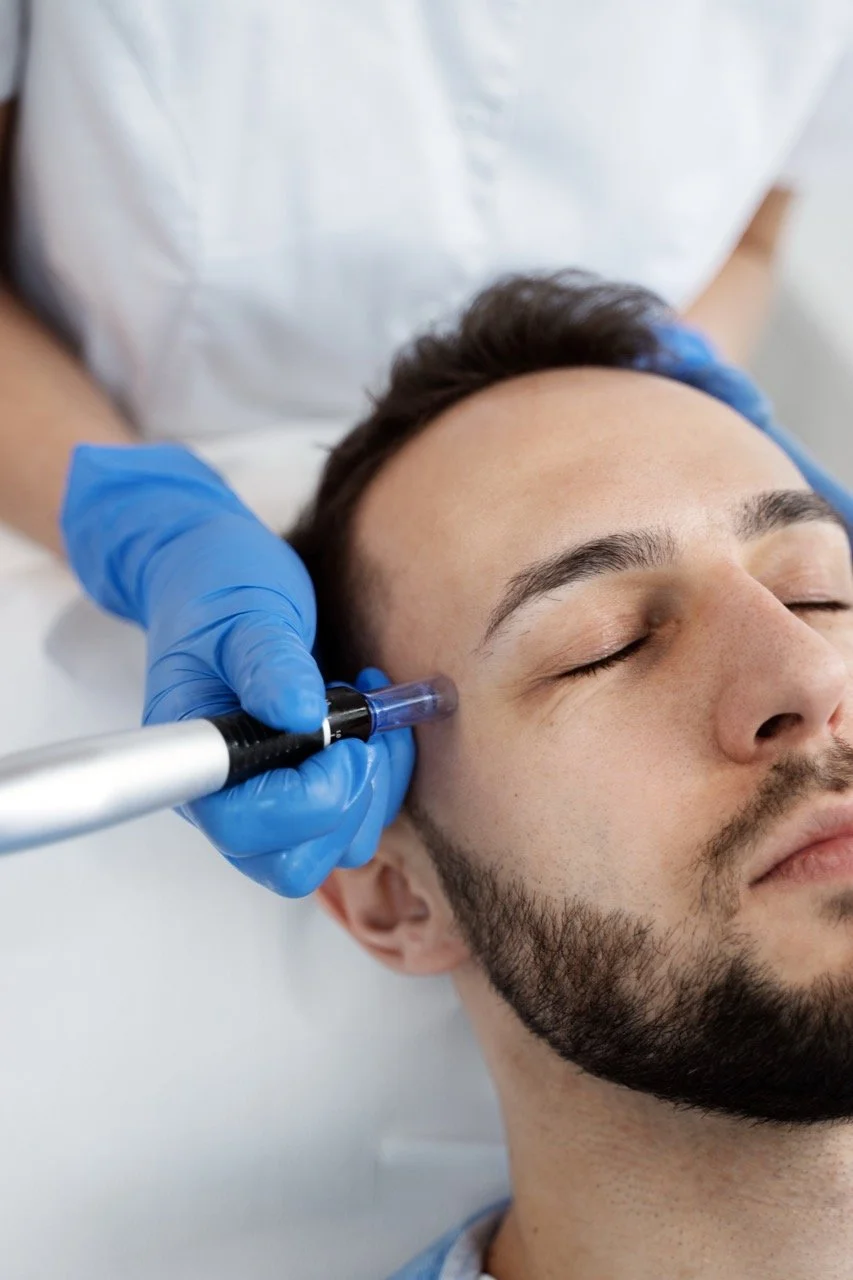
For years, aesthetic clinics have built their branding, treatment menus, consultation language, and social media content around women. That made sense historically. The first wave of demand was largely female, and the industry followed the money. But the market has shifted in ways that many clinics are not yet reflecting in their websites, their content, or their marketing.
Men are investing in grooming, skincare, fitness, longevity, and confidence at levels previous generations would barely recognise. The interest in male aesthetic treatments is real, it is growing, and it is commercially significant. Yet many clinics still speak to male clients as an afterthought — if they speak to them at all. The result is a major commercial blind spot that a growing number of forward-thinking clinics are quietly exploiting.
The Male Aesthetics Market Is No Longer a Niche
The men's aesthetics market has crossed the line from emerging trend to established category. Industry figures consistently show year-on-year growth in male enquiries, particularly for facial treatments, skin quality, and body-confidence procedures. The drivers are not difficult to identify.
Workplace culture plays a significant role. Video conferencing has made men acutely aware of how they appear on screen, and in competitive, youth-biased professional environments, looking tired, drawn, or older than your peers carries a perceived cost. Social media has normalised male interest in appearance in ways that were simply not present a decade ago. Fitness culture has expanded the conversation around physical investment, and wellness has become a mainstream male preoccupation rather than a niche one.
The evidence of where this trajectory leads already exists. Look at the leading aesthetic clinic websites in Dubai and you will find men given equal standing with women across imagery, treatment menus, and content. That parity did not happen by accident: the commercial pressure of an intensely competitive market meant the evolutionary jump to capture the male audience happened faster there than in other geographies. The result is a near 50/50 split between male and female clients booking treatments. Current male grooming trends across the UK and Ireland suggest the same shift is coming. The clinics that move early will be the ones best positioned to capitalise on it.
Importantly, the motivation behind aesthetic treatments for men tends to differ from the motivation many clinics assume. This is not about vanity in the traditional sense. It is about confidence, presentation, and performance. Men rarely describe what they want as beauty. They want to look fresher, healthier, less tired, sharper, or simply like a better version of themselves. That distinction matters considerably when it comes to how you market to them.
Understanding Your Male Clients: Four Archetypes
Not all male clients arrive at an aesthetic clinic with the same motivation, concern, or starting point. We find it useful to think in terms of four broad archetypes, each with distinct characteristics and different entry points into aesthetic treatments for men. Understanding who you are speaking to shapes everything from your treatment page language to your social media content to the way your team handles an initial enquiry.
The Corporate Executive (35 to 45)
This client spends significant time on video calls and is acutely conscious of how he presents in a professional context. He wants to look sharp and competitive in a youth-biased workplace, but is time-poor and values efficiency above everything. He gravitates toward quick-turnaround treatments — anti-wrinkle injections, subtle facial balancing, hair restoration — and is most likely to book during a lunch break. Clear pricing, a discreet environment, and minimal recovery time are the decision factors that matter most to him.
The Image-Conscious Younger Man (18 to 27)
Social media has made this group camera-aware far earlier than previous generations. He wants to look good on screen at all times and is already engaged with male grooming trends through fitness culture, influencer content, and peer behaviour. Hydrafacials, chemical peels, skin texture treatments, and preventive anti-ageing are popular entry points. He responds well to social proof, peer testimonials, and content that normalises male aesthetic treatment as part of a broader wellness identity.
The Mature Client (55 and over)
This client is at the stage where the visible effects of ageing are well established. He is interested in a wider range of treatments than the other archetypes and is often the highest-value client in terms of both spend and loyalty. He wants honest, clinical information, credible practitioners, and realistic outcomes. He is less likely to have been referred by social media and more likely to have been referred by a partner, a friend, or his own research.
The Problem Solver (all ages)
This client has a specific concern he wants addressed: acne scarring, hair loss, spider veins, skin texture, a feature he has wanted to change for years. He may not think of himself as someone who 'does aesthetics' at all. He is a solution seeker, and his search behaviour reflects that. He searches by problem, not by treatment name. Clinics that create outcome-led content targeting his specific concern will capture him at the exact moment he is ready to act.
Why Men Remain Invisible in Aesthetic Clinics
If the demand exists, why are so many clinics not converting it? The answer, in most cases, is not the treatments on offer. It is the environment those treatments are presented in.
Most aesthetic clinic websites feature women almost exclusively: in imagery, case studies, testimonials, and in the language used to describe treatment outcomes. Treatment pages are written around female concerns, social media content rarely shows male results, and the booking process often uses language that feels unfamiliar or faintly intimidating to a man who is curious but has never set foot in a clinic.
The male patient journey also starts differently. Many men are not searching by treatment name. They may not know what a skin booster is, or the difference between anti-wrinkle injections and filler. What they do know is that they look tired, that their skin has deteriorated, or that their jawline is not what it was. They are searching for solutions, not procedures, and clinics that only communicate in procedure names will not appear in those searches.
Men are not absent from the market because they are uninterested. They are absent, in many cases, because aesthetic clinics for men as a category simply does not exist in most clinic's content or positioning. The challenge of attracting male clients to aesthetic clinics is therefore less about changing what you offer and more about changing how you present it.
Men Buy Outcomes, Not Treatments
This is the single most important insight for any clinic that wants to grow its male client base. Women may arrive already familiar with treatment names. Men often do not search that way.
The typical male search journey starts with a problem. How do I look less tired? How do I get rid of forehead lines? How do I improve my jawline? How do I fix acne scars? These are not treatment queries, they are outcome queries, and the clinic that answers them clearly wins the visit and, frequently, the booking.
That means your content strategy needs two layers. The first covers treatment pages optimised for men's facial aesthetics: Botox for men, dermal fillers for men, and non-surgical treatments for men. The second covers problem-led content: how to look less tired, how to reduce forehead lines without looking frozen, how to create a stronger jawline without surgery. The treatment pages capture men who have already done their research. The problem-led content captures men who are just starting their journey.
Men do not necessarily want to look done. They want to look better without anyone knowing why.
The Psychology of Male Aesthetic Patients
Understanding how men think about aesthetic treatment is as important as knowing which treatments they want. Men and cosmetic treatments have a more complicated relationship than the numbers alone suggest, and the psychological barriers to entry are real even when the interest is genuine.
Male patients consistently show a preference for discretion. They do not want anyone to know they have had something done. They dislike feeling sold to. They respond well to direct, clinical explanations of what a treatment involves, what the realistic outcome looks like, and what recovery or aftercare requires. They value expertise, they want natural-looking results, and they are more likely to book when the process feels practical, private, and outcome-focused rather than aspirational or beauty-led.
This has direct implications for how you describe the male patient journey on your website. Avoid language that feels glamorous, high-maintenance, or exclusively beauty-oriented. Use the language your male clients actually use: fresher, sharper, less tired, more defined, better on camera, more confident. Frame the consultation as a practical assessment rather than a lifestyle experience, and make it clear that natural-looking results are not only achievable but the standard.
Men do not need aesthetics to be made masculine. They need the pathway into aesthetics to feel clear, discreet, and relevant.
The Treatments Men Are Already Interested In
When aesthetic treatments for men are presented with the right framing, take-up is strong. The following treatment categories consistently generate male interest, particularly when described in outcome-focused language.
Anti-wrinkle injections for a fresher look
Botox for men is one of the most commonly searched terms in male aesthetics. Men typically seek treatment for forehead lines, frown lines, and crow's feet, with the goal of looking more rested rather than significantly altered. Framing this around looking less tired, rather than using clinical terminology, consistently increases engagement from men who are unfamiliar with treatment names.
Compliance note: Anti-wrinkle injections using prescription-only medicines cannot be directly advertised to the public. Treatment pages should promote the consultation process and describe client concerns rather than naming specific injectable products. All injectable treatments require a prescriber-led consultation under UK and Irish regulations.
Jawline and chin enhancement
The jawline is the most requested area for dermal fillers for men. Male clients are interested in definition, balance, and a stronger lower face. The framing matters: masculinity of result, sharpness of structure, and naturalness of outcome are the descriptors that resonate. Avoid softening or feminising language in this context.
Under-eye treatments
Under-eye hollowing, dark circles, and a persistently tired appearance are among the most common concerns we see from male clients. Skin boosters and hyaluronic acid treatments can improve hydration, reduce shadowing, and restore volume, though candidacy varies and a thorough consultation is essential. For many men, this treatment area produces the most noticeable improvement in how they present professionally.
Skin quality treatments
Interest in skin treatments for men has grown significantly alongside the wider male grooming trends movement. Microneedling, chemical peels, laser treatments, and skin boosters all address concerns that men may not describe as skincare but will readily articulate in other terms: rough texture, visible pores, uneven tone, dull skin. A male skincare clinic approach that leads with results rather than product or regimen language converts more effectively with this audience.
Acne scar and pigmentation treatments
Acne scarring is a high-intent concern for men across a wide age range. Resurfacing, microneedling, laser, and chemical peel options can address texture irregularity and pigmentation, often producing results that significantly improve long-term skin confidence. This treatment category captures search demand from men who may not otherwise identify as aesthetic clinic candidates and, once treated well, tend to become loyal long-term clients.
Hair restoration and scalp treatments
For clinics with the appropriate expertise and equipment, hair restoration treatments represent a high-intent male market with strong commercial potential. Men searching for hair loss solutions are motivated and specific, and if treated successfully, tend to return consistently. This service area also creates an entry point for men who might not otherwise consider a clinic for facial aesthetic concerns.
Where Clinic Marketing Goes Wrong
Most clinics are not actively excluding men. They are passively failing to include them, and the effect is the same. Aesthetic marketing for men is not complicated, but it requires conscious decisions that most clinic marketing has never been asked to make.
The common mistakes follow a predictable pattern: male aesthetics treated as a single add-on page with no dedicated keyword logic; before-and-after imagery across the site that is exclusively female; a clinic brand — in colour palette, photography, and copy voice — that reads as explicitly feminine; assumptions that male clients know treatment names when most do not; and front-of-house staff who are not trained to handle male enquiries confidently.
There is also a subtler issue with language. Describing a treatment as a way to 'enhance your natural beauty' or 'reveal your best self' works with a female audience but lands poorly with most male clients. Men respond to specificity: fix the lines, sharpen the jaw, improve the texture, look less exhausted. Vague aspirational language creates distance rather than connection.
The result is predictable. If every visual, caption, treatment page, and testimonial speaks to women, men will quietly assume the clinic is not for them. They will not complain. They will simply not book.
How Aesthetic Clinics Can Attract More Male Clients
The good news is that most of the changes required are structural rather than fundamental. You are not rebuilding your clinic; you are broadening the welcome. Here is where to start.
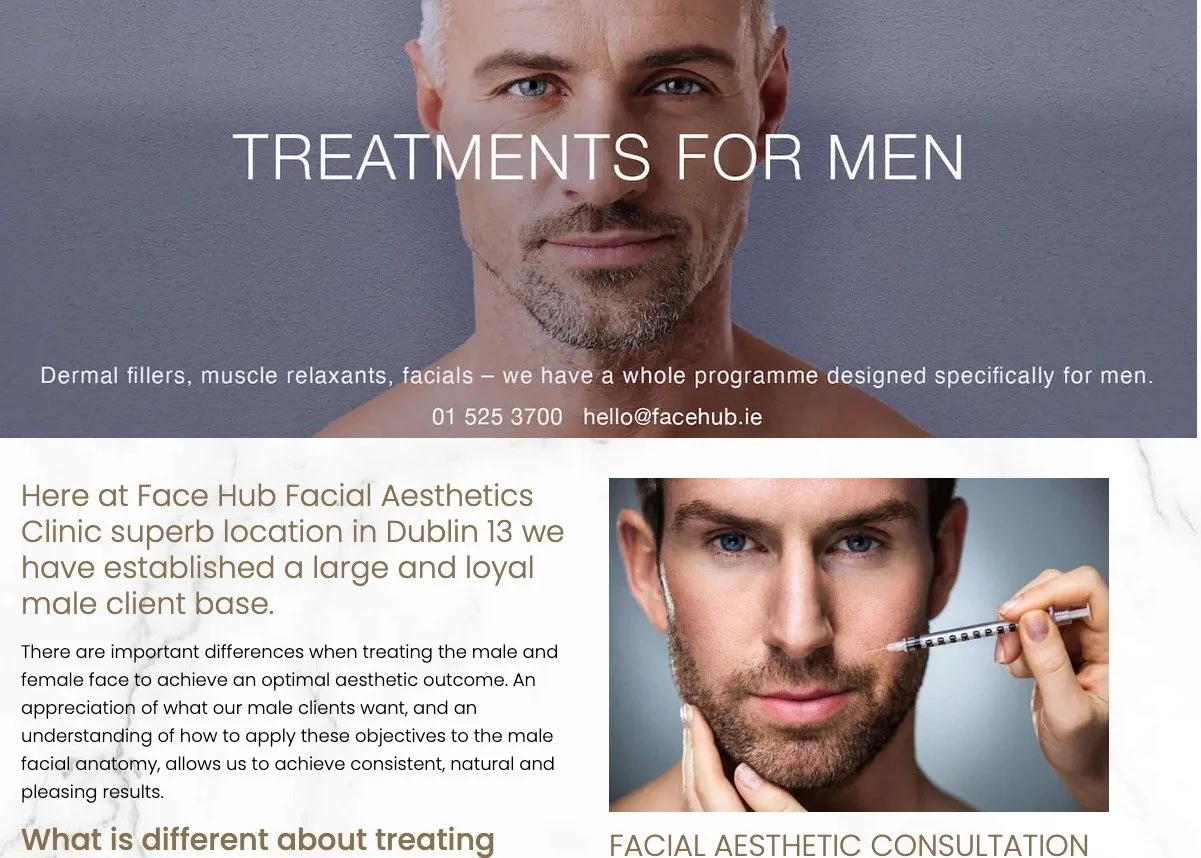
Create dedicated male treatment pages
A single 'men's treatments' page is not sufficient. Search engines and male clients alike need dedicated pages for individual concerns: anti-wrinkle injections for men, jawline filler for men, skin treatments for men, acne scar treatment for men, under-eye treatment for men. Each page should target the relevant keywords, answer the specific questions male clients ask, and describe outcomes in language men actually use.
Use outcome-led messaging
Build your content around what men are trying to achieve: look less tired, sharpen your jawline, reduce lines without looking frozen, improve skin texture, look fresher on camera, restore confidence without surgery. These phrases function as both compelling copy and search-aligned content because men use these exact terms when they begin their research.
Show real male results
Male before-and-after images, case studies, and testimonials signal permission in a way that no amount of copy can replicate. When a male client sees someone who looks like him on the website, the implicit message is that this clinic understands his concerns and has treated them successfully. All before-and-after content must use consistent photography conditions, obtain written client consent, and include an individual results disclaimer — these are baseline requirements for compliant practice, not optional additions.
Design the physical and digital environment
Your physical environment sends signals before a single word is read. A treatment space with a genuinely gender-neutral feel — in its decor, its reception area, and its private consultation rooms — removes a subtle but real barrier for male clients. For some conditions and age groups, men are most comfortable discussing concerns with another man, which may be worth considering in your hiring approach. On the digital side, review your website colour palette, photography style, and booking page language for anything that reads as exclusively feminine.
Make consultations feel discreet
For many male clients, the booking step is the highest barrier. Emphasise privacy, a no-pressure consultation process, and the medical professionalism of your team. Ensure your booking confirmation emails read as clinical and practical rather than spa-like or beauty-focused. Small adjustments here can have a measurable effect on conversion rates from male website visitors.
The Gateway Educator: leveraging your existing female client base
One of the most underused channels for attracting male clients to aesthetic clinics already sits within your existing client base. Industry data suggests that women are responsible for introducing up to 80% of new male clients to aesthetic clinics, either by referring partners and family members directly or by normalising the idea of treatment within their social circle. Couples packages, referral incentives structured around bringing a partner for a consultation, and content that positions treatment as something couples explore together are all practical ways to activate this channel. The woman who already trusts your clinic is your most credible ambassador to the male clients in her life.
Partner with local wellness and fitness professionals
Male aesthetics sits naturally alongside fitness, nutrition, and broader wellness investment. Partnerships with local gym coaches, personal trainers, and nutritionists create referral pathways to male audiences who are already accustomed to investing in their physical wellbeing and are often a single conversation away from exploring aesthetic treatments. A jointly produced guide to male grooming and skin health, or a simple referral arrangement with a well-regarded local gym, connects your clinic to a male audience that has not yet found you through search.
Build content around male search behaviour
Blog content aligned to aesthetic marketing for men should address the specific searches that male clients make. Useful topics include: do men get anti-wrinkle injections, the best aesthetic treatments for men over 40, how to look less tired without surgery, how to improve jawline definition without surgery, natural-looking results for men, and the best skin treatments for men with acne scarring. These posts capture search demand from men at the research stage and establish your clinic as a knowledgeable, credible answer to their questions.
The Business Case for Serving Male Clients
The commercial argument for developing a genuine male offering is straightforward. Male clients who are well served show strong loyalty: once trust is established, they tend to book consistently, refer within their social circle, and are less likely to price-shop between clinics than clients who arrived through promotional channels.
From an aesthetic clinic growth strategy perspective, moving into male aesthetics also creates a genuine competitive advantage. Most clinics in any given local market have not invested in dedicated male content, male-specific treatment pages, or a consultation process designed with male clients in mind. The clinic that does so first earns significant local search visibility for a category with real commercial demand and limited competition.
Serving male clients is not about rebranding the clinic or moving away from what works with your existing female client base. It is about removing the invisible barriers that stop men from seeing themselves as clients. The addressable market expands. The work required to reach it is structural, not cosmetic.
The Future of Aesthetics Is More Inclusive — and More Commercial
The next stage of aesthetic clinic growth will not come only from adding new treatments. It will come from speaking to overlooked audiences with greater precision. Men are already interested in male aesthetic treatments — in the men's aesthetics market more broadly — in looking better, feeling more confident, and presenting more effectively in both professional and personal contexts. They are waiting for a clinic that addresses them directly.
The clinics that win will be those that stop treating men as an afterthought and start designing their content, consultations, and client experience around how men actually think, search, and make decisions. The direction of travel is not in question. Look at Dubai. The only variable is whether your clinic gets there first in your local market.
The male market is not invisible because it is small. It is invisible because too many clinics have not yet learned how to look for it.
-
Yes. More men are investing in aesthetic treatments as part of their grooming, confidence, and long-term self-care routines. Many are interested in subtle results that help them look fresher, healthier, and less tired without anyone being able to identify a specific procedure.
-
Popular options include anti-wrinkle injections, jawline and chin filler, under-eye treatments, microneedling, skin boosters, laser treatments, chemical peels, acne scar treatments, and hair restoration. The most in-demand outcomes tend to be a fresher appearance, improved skin quality, and a more defined lower face.
-
Yes. Anti-wrinkle injections are among the most commonly sought treatments by male clients, typically to address forehead lines, frown lines, and crow's feet. The goal for most men is a subtle result that softens visible lines while maintaining a natural facial expression.
-
Clinics should use outcome-led messaging, dedicated male treatment pages, male case studies and testimonials, discreet consultation language, and content that addresses common male concerns such as tiredness, jawline definition, ageing, and skin texture. Couples packages and partnerships with local fitness professionals are also effective channels for reaching male audiences.
-
Often, yes. Many male clients want subtle, natural-looking results that preserve masculine facial structure and avoid any over-treated appearance. The emphasis tends to be on looking like a better, more rested version of themselves rather than any obvious change in appearance.