How to Market Skin Treatments Without Violating ASA Rules
A plain-English guide for aesthetic clinics in the UK and Ireland
Understanding Advertising Rules for Aesthetic Clinics (UK & Ireland)
Why compliance matters for clinic growth
Most aesthetic clinic owners approach marketing with the best intentions — they want to showcase results, build trust, and attract clients who are right for their treatments. The problem is that aesthetic clinic marketing compliance is not always intuitive. The rules governing what you can and cannot say about skin treatments are specific, actively enforced, and easy to breach without realising it. A single upheld complaint to the ASA (Advertising Standards Authority) can result in content being removed, public rulings published on the ASA website, and reputational damage that takes far longer to recover from than the original campaign was worth.
The good news is that compliance does not require gutting your marketing. It requires understanding where the lines are, how to frame claims accurately, and how to make your content compelling within those boundaries. That is what this guide covers.
Legal and reputational risks
The risks of non-compliant advertising break into two categories. Legal exposure comes from breaching the CAP Code (for non-broadcast ads) or BCAP Code (for broadcast), which can result in mandatory withdrawal of content and, in serious cases, referral to Trading Standards. Reputational risk is arguably more immediate: ASA adjudications are published publicly and indexed by Google, meaning a ruling against your clinic can appear in search results when prospective clients search your name. For a small practice, that is a meaningful commercial problem.
IMPORTANT This article provides general guidance on advertising compliance for aesthetic clinics. It is not legal advice. For specific compliance queries, consult a qualified advertising law solicitor or contact the CAP Copy Advice team directly.
Overview of ASA (UK) vs ASAI (Ireland)
The ASA guidelines UK advertising framework is administered by the Advertising Standards Authority, which oversees the CAP Code for non-broadcast media and the BCAP Code for TV and radio. The equivalent body in Ireland is the ASAI (Advertising Standards Authority for Ireland), which operates its own Code of Standards for Advertising and Marketing Communications. While there is significant overlap between the two frameworks — both require that ads be legal, decent, honest, and truthful — there are notable differences in enforcement approach, scope, and specific provisions that affect how clinics market treatments on either side of the border.
ASA & CAP Code Fundamentals (UK)
What the ASA regulates
The ASA regulates paid advertising, social media posts (including organic posts by businesses), email marketing, website content, and influencer content where it is connected to a commercial relationship. It is worth being clear about the scope: it is not just your paid ads that are covered. Your clinic's Instagram feed, your website treatment pages, your promotional emails, and any content posted by influencers on behalf of your clinic all fall within ASA jurisdiction if they are marketing communications. The CAP Code cosmetic treatments provisions apply to all of these channels.
Key CAP Code sections for aesthetics
The most relevant sections of the CAP Code for aesthetic clinics are those covering substantiation (claims must be backed by evidence), misleading advertising (no false impressions about products or services), and healthcare and beauty products (specific rules about the language used to describe treatments and results). The code requires that any objective claim — anything that states or implies a measurable outcome — must be capable of substantiation. "Visible results in four weeks" requires clinical evidence. "Many of our clients notice a difference within a month" does not make an objective claim in the same way, which is why language precision matters so much in cosmetic treatment advertising laws UK.
Medical vs cosmetic classification
One of the most consequential distinctions in aesthetic marketing is whether a treatment is classified as medical or cosmetic. Treatments that address medical conditions — acne, rosacea, hyperpigmentation caused by a dermatological condition — may be subject to additional regulatory requirements under the MHRA (Medicines and Healthcare products Regulatory Agency) as well as the ASA. Making medical vs cosmetic claims requires care: a clinic that markets a laser treatment as capable of "treating" a skin condition is making a medical claim, which triggers a higher evidential burden than a cosmetic claim about improving the appearance of the skin. The wording distinction is fine, but it matters.
Prescription-only treatments (Botox) restrictions
Botox advertising restrictions UK are among the strictest in the sector. Botulinum toxin is a prescription-only medicine (POM), and the ASA is clear that direct advertising of prescription-only medicines to the public is prohibited under both the CAP Code and medicines legislation. This means you cannot run ads specifically promoting Botox by name to a consumer audience, offer Botox discounts in promotional content, or use social media to encourage clients to seek Botox. What you can do — and what compliant clinics do — is market the outcome and the consultation process rather than the medicine itself. "Book a consultation to discuss lines and wrinkles" is compliant. "Get Botox from £150" is not.
ASAI Guidelines (Ireland) — Key Differences
How ASAI regulates cosmetic advertising
The ASAI advertising rules Ireland operate through the ASAI Code, which sets standards for all marketing communications directed at Irish consumers. Like the ASA, ASAI requires that claims be truthful, substantiated, and not misleading. It handles complaints from the public and from competitors, investigates, and publishes adjudications. Unlike the ASA, ASAI operates in a market where broadcast advertising rules are also shaped by the Broadcasting Authority of Ireland, creating a slightly more complex regulatory environment for clinics that advertise across multiple channels.
Key variations from UK ASA rules
The ASAI vs ASA differences that matter most for aesthetic clinics relate to scope and enforcement culture. The ASAI Code has slightly different provisions around comparative advertising and around the use of health claims. Ireland also has specific healthcare advertising regulations that intersect with the ASAI framework, particularly for treatments that cross into medical territory. Clinics operating in both markets need to check that any given piece of marketing content meets both sets of standards, which are broadly aligned but not identical.
Cross-border marketing considerations
For clinics in Dublin drawing clients from Northern Ireland, or UK clinics with an Irish client base, cross-border marketing requires applying the stricter of the two standards where they differ. In practice, content that complies with the ASA's CAP Code will generally satisfy ASAI requirements, but the reverse is not always true. It is safest to treat any marketing content as subject to both frameworks simultaneously, particularly for paid social media advertising where geo-targeting does not create a clean jurisdictional boundary.
Prohibited Claims in Skin Treatment Marketing
Words and phrases you cannot use
Certain categories of claim are prohibited outright in aesthetic advertising, regardless of context or framing. These are not grey areas — they are active enforcement priorities for both the ASA and ASAI, and there are published rulings covering each of them.
| BANNED CLAIMS | COMPLIANT ALTERNATIVES |
|---|---|
| "Permanent results" (no aesthetic treatment produces permanent results without qualification) "Risk-free" or "zero risk" (all procedures carry some level of risk) Guaranteed results of any kind "Clinically proven" without published evidence "Safe for everyone" or equivalent absolute safety claims "No downtime" unless strictly accurate for that client group Before-and-after images that are misleadingly edited |
"Results typically last X–Y months" "A thorough consultation ensures the treatment is right for you" "Results vary between individuals" "Supported by clinical studies" (with evidence available) "Suitable for most skin types — assessed at consultation" "Minimal downtime for most clients" Authentic, unedited before-and-after images with disclosure |
Misleading skincare claims — examples
The ASA has upheld complaints against misleading skincare claims in a number of relevant categories. Clinics have been found in breach for claiming that treatments "eliminate" cellulite (where no treatment eliminates it), for stating that results are "permanent" for procedures where maintenance is required, and for implying clinical endorsement where none exists. The common thread is objective claims that are either unsubstantiated or technically false. Superlatives — "the most effective", "the only treatment that" — attract particular scrutiny because they make comparative claims that are extremely difficult to substantiate.
Evidence-based marketing requirements
The CAP Code requires that any claim which is, or could be interpreted as, an objective assertion about a treatment's efficacy must be supported by evidence. This means that if your marketing states that a treatment achieves a particular result, you must hold documentary evidence of that before the campaign runs — not after a complaint is made. The standard of evidence required depends on the strength of the claim. A general statement that "clients often notice improved skin tone" requires less evidential rigour than "clinically proven to reduce fine lines by 30%", which would require peer-reviewed clinical data.
Before-and-After Photos Compliance
When images become misleading
Before-and-after photos compliance is one of the most actively litigated areas of aesthetic marketing regulation. An image becomes misleading when it creates a false impression of what a treatment can achieve. This can happen through editing (smoothing, brightening, or altering the after image), through inconsistent photography conditions (different lighting, distance, angle, or makeup between the before and after shots), or through selection bias (only showing exceptional results that are not representative of typical outcomes). The test is not intent — it is whether the image could mislead a reasonable person about what the treatment achieves.
Editing, lighting, and angle restrictions
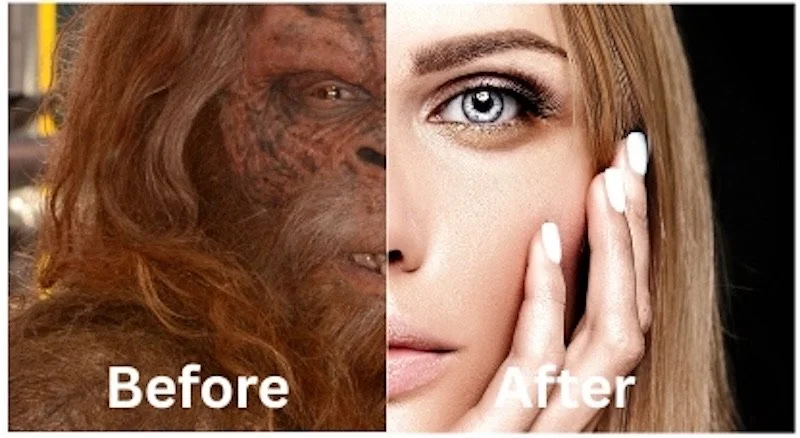
The practical standard for compliant before-and-after photography is consistency: same lighting, same camera angle, same distance, same makeup or no makeup, same time of day where possible. Post-processing should be limited to basic colour correction applied equally to both images. Any alteration that makes the after image look more favourable than an unedited photograph would — skin smoothing, blemish removal, enhanced contrast — creates a misleading impression and falls foul of the CAP Code. The ASA has upheld complaints specifically on the basis of differential editing between the before and after images.
Disclosure requirements
Where before-and-after images are used in paid advertising or commercial social media posts, disclosure of any post-production work is required. If the images have been retouched in any way — even basic colour grading — that must be stated. Some clinics use a simple footer caption: "Images have had basic colour correction applied." If the image is of a specific client, written consent for use in marketing must be obtained and retained. For influencer posts featuring before-and-after content, influencer disclosure rules around commercial content apply on top of the image compliance requirements.
Real-world ASA rulings — examples
Published ASA adjudications relating to before-and-after images in the aesthetics sector include rulings against clinics for using images that had been brightened in the after shot to make skin appear more radiant, for presenting images of exceptional results without the qualifier "individual results may vary", and for using stock or third-party images presented as genuine client photographs. Each of these rulings is publicly available on the ASA website and serves as a practical reference for what compliance — and non-compliance — looks like in practice.
Testimonials, Reviews & Case Studies
What counts as a testimonial under ASA rules
Under ASA testimonials rules, a testimonial is any statement from a third party (a client, an expert, or a public figure) used to support a marketing claim. Testimonials are permitted, but they must be genuine, must reflect the honest opinion of the person giving them, and must not be used to make claims that would require substantiation if made directly by the advertiser. A client testimonial that says "I felt my skin looked ten years younger" is expressing a personal opinion. A testimonial that says "This treatment removed my wrinkles completely" is making a factual claim that triggers the same evidential requirements as if the clinic made it directly.
Fake or incentivised reviews
Fabricated reviews, composite reviews (where several clients' experiences are merged into one), and reviews that have been incentivised without disclosure all breach the CAP Code. Offering a discount in exchange for a positive review without requiring the reviewer to disclose the incentive is a specific breach. The Competition and Markets Authority (CMA) has also issued guidance on fake reviews, and enforcement activity in this area has increased. For clinics building review profiles on Google, Trustpilot, or similar platforms, the operating principle is straightforward: reviews must be genuine, and any incentive to leave a review must be disclosed.
Substantiation requirements
Where testimonials include specific claims — "I lost 4cm from my waist after one session" — the clinic using that testimonial in marketing is responsible for its substantiation. If the claim is not capable of substantiation, the testimonial cannot be used in marketing, even if it is a genuine statement from a real client. The advertiser is responsible for the claims they publish, regardless of source.
Influencer testimonials compliance
When an influencer receives a treatment and posts about it, the post falls within ASA scope if there is a commercial arrangement — payment, free treatment, or any other benefit. The influencer must disclose the commercial relationship, and the content of their post is subject to the same CAP Code requirements as any other marketing. If the influencer posts before-and-after images or makes specific efficacy claims, the clinic that provided the treatment is liable alongside the influencer. This joint liability is a relatively recent development and one that many clinics are not yet fully across.
Influencer Marketing & #Ad Disclosure Rules
ASA influencer guidelines
The ASA's position on influencer marketing is clear and has been consistently upheld through adjudications: if a content creator has a commercial relationship with a brand — including receiving free treatments — their content about that brand is advertising and must be labelled as such. Influencer disclosure rules require that the commercial nature of the content is disclosed in a way that is clear, obvious, and prominent. Burying "#ad" at the end of a long caption, or using terms like "#collab" or "#spon" which are less universally understood, does not meet the standard.
#Ad, #gifted, and transparency requirements
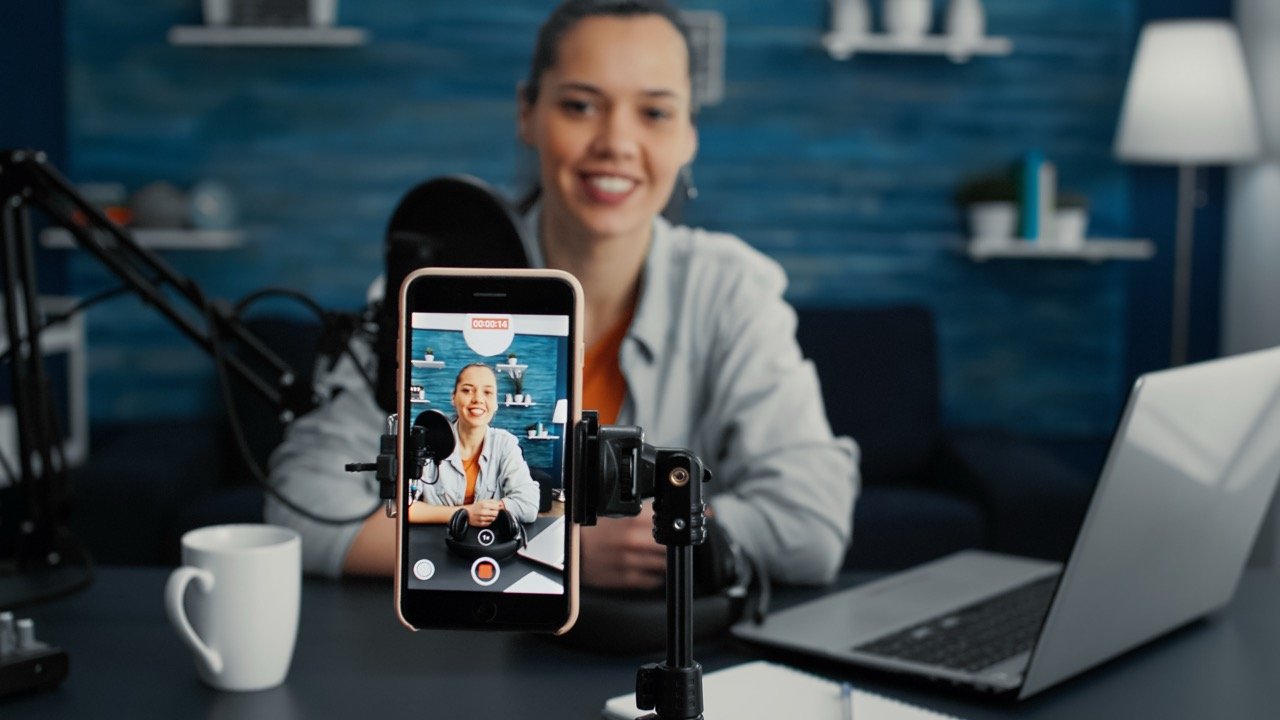
The required disclosure label depends on the nature of the relationship. Paid partnerships require "#ad". Gifted treatments (no payment, but free service) require "#gifted" or equivalent. Affiliate arrangements require disclosure of the commercial relationship. The label must appear at the start of the post or in the most prominent position — not mid-caption, not in the hashtag cluster at the end. On platforms like Instagram and TikTok, the native "Paid Partnership" and "Branded Content" tools satisfy the transparency requirement and are the safest option for both the influencer and the clinic.
Liability of clinics vs influencers
Under the CAP Code, both the clinic (as the brand whose products or services are being promoted) and the influencer (as the publisher) can be held liable for non-compliant content. In practice, the ASA tends to pursue the brand when the influencer has not disclosed appropriately, on the basis that the brand is in a position to ensure its marketing partners comply. This means that if you are commissioning influencer content, you are responsible for ensuring disclosure is in place and that the content itself complies with the rules on claims, before-and-after images, and testimonials.
Common TikTok and Instagram mistakes
The most common social media compliance mistakes on TikTok and Instagram are: posting before-and-after content in Stories without disclosure, using transformation-style videos where the "before" is unflattering and the "after" is professionally lit and styled, running paid ads featuring before-and-after images, and failing to disclose influencer partnerships when free treatments have been provided in exchange for content.
Social Media Advertising Risks for Clinics
Instagram and TikTok compliance pitfalls
Social media platforms are the highest-risk channel for aesthetic clinics from a compliance perspective, for two reasons. First, the volume of content produced is high and the informal nature of the medium encourages less careful language than a formal ad would receive. Second, the ASA's remit explicitly covers social media, and the informal tone of a post does not reduce the advertiser's responsibility for the claims it makes. Cosmetic clinic social media compliance requires applying the same scrutiny to an Instagram caption as you would to a print ad.
Paid ads vs organic content rules
The CAP Code applies equally to paid advertising and organic commercial content posted by a business. There is no distinction in compliance terms between a boosted post and an organic one — both are marketing communications and both must comply with the rules on claims, substantiation, and disclosure. Where paid advertising differs from organic content is in the additional targeting rules: paid ads must not be targeted at under-18s for treatments that are age-restricted, and there are specific provisions about targeting vulnerable audiences that apply to paid campaigns.
Targeting vulnerable audiences
The ASA has specific expectations around marketing to vulnerable audiences, and aesthetic clinic content that emphasises physical appearance improvements can attract additional scrutiny in this area. Targeting ads to audiences defined by body image concerns, or using language that implies a treatment will resolve self-esteem or mental health issues, creates both a compliance risk and a reputational one. Marketing should not exploit insecurities or create a sense that a treatment is necessary rather than elective.
Algorithm-driven risk amplification
One underappreciated compliance risk on social media is that algorithmic distribution means your content may reach audiences you did not intend to target. A post designed for your existing adult client base may, through sharing and algorithmic recommendation, reach a much younger audience or be seen in a context that changes its impact. The ASA takes the view that advertisers are responsible for the reasonably foreseeable reach of their content, not just its intended audience.
Botox & Fillers Advertising Restrictions
Prescription-only medicine rules (UK)
Botulinum toxin is a prescription-only medicine in the UK, and dermal fillers advertising laws are also evolving rapidly. Since October 2023, dermal fillers in England are now a licensed cosmetic procedure requiring administration by a medical professional, and the regulatory environment around their marketing is consequently tightening. Any content that specifically promotes Botox — by brand name or by the generic name botulinum toxin — as a treatment for clients to seek out is non-compliant.
Indirect promotion strategies (compliant)
Compliant navigation of Botox advertising restrictions requires shifting from product-led to outcome-led and consultation-led marketing. Instead of promoting the treatment, promote the concern it addresses and the consultation through which a client can explore their options. "Concerned about lines and wrinkles? Book a consultation with our qualified practitioners to discuss your options" is compliant. It does not name the treatment, it does not solicit demand for a POM, and it positions the consultation — which is entirely legal to promote — as the next step.
Ireland-specific positioning rules
In Ireland, the regulatory position on injectables advertising differs in some respects from the UK. The HIQA (Health Information and Quality Authority) framework and the ASAI code together shape what is permissible. Irish clinics should refer to current ASAI guidance specifically on injectable treatments, as this is an area of active regulatory development in both jurisdictions. The general principle — do not advertise prescription medicines to consumers, do not make unsubstantiated efficacy claims — applies in both markets.
The consultation-first marketing approach
The most sustainable marketing approach for clinics offering injectables is one that positions the consultation as the product being marketed, not the injectable itself. This is both compliant and commercially sound: it attracts clients who are genuinely interested in addressing a concern, it creates an opportunity to assess suitability before commitment, and it positions the clinic as a considered, professional practice rather than a treatment commodity.
Medical vs Cosmetic Positioning
When treatments become "medical claims"
The distinction between cosmetic and medical claims is not simply about which treatments you offer — it is about how you describe what they do. A clinic offering laser treatment for hyperpigmentation can describe that treatment as "improving the appearance of uneven skin tone" (a cosmetic claim) or as "treating post-inflammatory hyperpigmentation" (a medical claim, since it implies treatment of a condition). The latter triggers MHRA considerations alongside ASA requirements and significantly raises the evidential bar for any claims made about the treatment's efficacy.
Regulated vs non-regulated messaging
The regulated vs non-regulated treatments divide shapes what you can say about a treatment. Non-surgical cosmetic treatments marketed purely for appearance improvement are subject to ASA/CAP Code rules. Treatments that overlap with medical applications — certain laser treatments, mesotherapy, some skin peels — may additionally fall under MHRA regulation, particularly if the marketing implies treatment of a medical condition. Keep marketing language firmly in the cosmetic register: "improves appearance of", "may reduce the look of", "clients report noticing" rather than "treats", "corrects", "eliminates", or "cures".
Avoiding implied medical endorsements
Claiming or implying that a treatment is endorsed by a medical authority — the NHS, NICE, or a specific professional body — without that endorsement being formally in place is a breach of the CAP Code. More subtly, using clinical language, scientific-sounding terminology, or the appearance of medical authority in a way that implies regulatory approval or clinical validation creates a misleading impression even without an explicit endorsement claim. Credential statements — "our treatments are performed by qualified practitioners" — are fine and important trust signals. Implied endorsements of the treatments themselves are not.
NHS alignment and credibility signals
There is a meaningful difference between building practitioner credibility through genuine qualifications and professional affiliations, and implying NHS or medical-authority endorsement of cosmetic treatments. The former is both compliant and commercially valuable. Displaying genuine qualifications, membership of professional bodies (Save Face, JCCP, BABTAC), and registration with regulatory authorities builds trust without making claims that cannot be substantiated.
UK (ASA) vs Ireland (ASAI) — Key Compliance Differences
Enforcement approach comparison
Both the ASA and ASAI operate on a complaint-led model: they investigate when a complaint is received from the public or a competitor, rather than proactively monitoring all marketing content. The ASA has a larger compliance team and a higher volume of investigations, reflecting the size of the UK market, but both authorities publish their adjudications and both have the ability to require removal of non-compliant content.
| Area | ASA (UK) | ASAI (Ireland) |
|---|---|---|
| Code | CAP Code (non-broadcast), BCAP (broadcast) | ASAI Code of Standards |
| Enforcement model | Complaint-led; some proactive monitoring | Primarily complaint-led |
| POM advertising | Prohibited under CAP Code & the medicines law | Prohibited under Irish medicines regulations |
| Influencer rules | Detailed ASA influencer guidance; active enforcement | ASAI guidance broadly aligned; developing enforcement |
| Claims substantiation | Advertiser holds evidence before the campaign goes live | Same principle; ASAI may request evidence during the investigation |
| Before-and-after images | Restricted for cosmetic surgery; active risk for non-surgical | Misleading images prohibited; similar standard |
| Cross-border reach | ASA applies to UK-directed marketing | ASAI applies to Ireland-directed marketing; overlap possible |
Claims substantiation differences
The substantiation standard under both the ASA and ASAI frameworks requires that evidence is held in advance — before the claim is made, not gathered in response to a complaint. Clinics operating across both markets should apply ASA substantiation standards as their baseline, as these are the more developed benchmarks.
Cross-border clinic marketing checklist
Apply the stricter standard: Apply the stricter standard where ASA and ASAI rules differ on a specific point.
Do not geo-target: Do not geo-target your way out of compliance — digital content crosses borders, and both authorities can receive complaints about it.
Check ASAI guidance: Check ASAI guidance specifically for any Ireland-specific provisions on injectable treatments.
Consistent disclosure: Use consistent disclosure language for influencer partnerships regardless of which market the influencer is based in.
Retain evidence: Retain evidence for all objective claims in a format that can be produced quickly if a complaint is received.
Review website content: Review website content against both frameworks, not just the one for your primary market.
How to Stay Persuasive While Staying Compliant
Reframing claims — benefits vs guarantees
The most practical shift in ethical aesthetic marketing is from guarantee-based language to benefit-based language. A guarantee ("you will see results") is an objective claim that requires substantiation and is almost never accurate for a cosmetically variable treatment population. A benefit framing ("many of our clients notice a visible improvement after their first session") communicates the same commercial message, is accurate, and is actually more credible because it does not overstate. Clients know that results vary. Marketing that acknowledges this comes across as honest rather than evasive.
Compliance is not the enemy of good marketing. Accuracy, specificity, and earned trust are better conversion tools than exaggerated claims that savvy clients see through anyway.
Trust-based marketing strategies
The treatment decisions clients make for aesthetic procedures are trust-intensive. They are choosing someone to perform a procedure on their face or body, often for the first time, with real concerns about safety and outcomes. The most effective marketing for aesthetic clinics is not the most extravagant in its claims — it is the most credible. Genuine client testimonials, authentic before-and-after photography with appropriate disclosure, clear practitioner credentials, transparent pricing, and educational content that explains what treatments can realistically achieve all build the kind of trust that converts enquiries into bookings.
Education-led content approach
Educational content — blog posts explaining what a treatment involves, FAQ content addressing the concerns clients actually have, guides to aftercare, explainers on the difference between treatment options — generates organic search traffic, builds authority with Google, and positions the clinic as a knowledgeable and transparent practitioner. It also, by its nature, avoids the compliance pitfalls of promotional content because its purpose is to inform rather than to claim.
Conversion without exaggeration
The most conversion-effective content for aesthetic clinics combines clear, accurate treatment descriptions with genuine social proof (real client testimonials and authentic photography), credibility markers (qualifications, professional memberships, regulatory registrations), and a low-friction route to a consultation. The consultation-first model is both the most compliant approach and the most commercially sustainable: it qualifies clients before commitment, sets appropriate expectations, and begins the clinical relationship on the right footing.
Frequently Asked Questions
What claims are banned under ASA rules?
The ASA prohibits claims that are misleading, unsubstantiated, or factually inaccurate. For aesthetic clinics specifically, banned claims include "permanent results", "risk-free", "guaranteed results", and "clinically proven" without supporting evidence. Prescription-only medicines, including Botox, cannot be advertised directly to consumers. Any objective claim about a treatment's efficacy must be substantiated before the campaign runs.
Can clinics show before-and-after photos legally?
Yes, with conditions. Before-and-after images must not be misleadingly edited, must be taken in consistent conditions (same lighting, angle, and makeup status), must include appropriate disclosure if any post-production has been applied, and must accurately represent typical results. They should be accompanied by a statement that individual results vary.
Are Botox and fillers allowed to be advertised in the UK?
Botox cannot be advertised directly to consumers because it is a prescription-only medicine. Dermal fillers have been a licensed procedure in England since October 2023, and their marketing is subject to tightening regulation. The consultation-first approach — promoting a consultation to discuss concerns rather than a specific injectable — is the standard compliant approach.
What is the CAP Code for cosmetic treatments?
The CAP Code (Committee of Advertising Practice Code) is the rulebook for non-broadcast advertising in the UK, administered by the ASA. Its provisions relevant to cosmetic treatments include requirements that all claims be truthful, substantiated, and not misleading; specific rules on before-and-after images; restrictions on claims about prescription-only medicines; and guidance on testimonials and influencer content.
Do influencers need to disclose aesthetic treatments as ads?
Yes. If an influencer receives payment or any benefit — including a free treatment — in exchange for posting content about a clinic or treatment, that content is a marketing communication and must be disclosed as such. The required label is "#ad" for paid partnerships and "#gifted" for gifted treatments, displayed prominently at the start of the post or caption. Both the influencer and the clinic can be held liable for non-disclosure.
What are ASAI rules for cosmetic advertising in Ireland?
The ASAI Code requires that all marketing communications in Ireland are legal, decent, honest, and truthful. For cosmetic treatments, this means claims must be substantiated, before-and-after images must not mislead, and prescription-only treatments cannot be directly advertised to consumers. The ASAI Code is broadly aligned with the UK's CAP Code, but there are differences in specific provisions and enforcement approach.
Can you say "clinically proven" in skincare marketing?
Only if you hold published clinical evidence to support the claim. Without that evidence, the phrase cannot be used. Compliant alternatives include "supported by clinical studies" (with studies available) or "developed with dermatologists", which makes a different and more verifiable claim.
How can clinics market treatments without misleading claims?
By combining accurate, benefit-framed language with genuine social proof and educational content. Describe what treatments do in terms of how clients typically experience them rather than in terms of guaranteed outcomes. Use authentic before-and-after photography with appropriate disclosure. Lead with consultations rather than treatment promotions, particularly for injectable treatments.